
Description
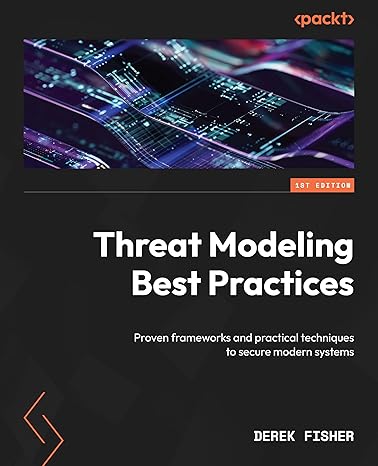
Threat Modeling Best Practices: Proven frameworks and practical techniques to secure modern systems.
Strengthen your cybersecurity strategy with advanced threat modeling techniques designed to improve risk assessment, enhance security controls, and help organizations stay ahead of emerging threats in today’s complex digital environment.
Free with your book: DRM-free PDF edition + access to Packt’s next-generation Reader*
Key Features
- Identify and reduce security risks across software, cloud platforms, mobile applications, IoT systems, and supply chains using proven frameworks such as STRIDE, PASTA, and MITRE ATT&CK
- Explore real-world case studies demonstrating how organizations apply threat modeling to address cybersecurity challenges
- Learn how to establish effective threat modeling programs with the right processes, tools, teams, and integration into the software development lifecycle
Book Description
Threat modeling has become an essential component of modern cybersecurity, yet many organizations still overlook it—creating security weaknesses that attackers can exploit. As technology ecosystems become more complex through cloud adoption, artificial intelligence, interconnected devices, and evolving compliance demands, businesses need proactive methods to identify and address threats before they become incidents.
This practical guide provides a comprehensive approach to implementing threat modeling using industry-standard techniques and emerging security practices. It introduces core concepts and explores powerful frameworks and tools, including STRIDE, MITRE ATT&CK, PyTM, and attack path analysis, helping you select the right approach for your organization’s needs.
You’ll learn how to create effective threat models, evaluate security risks, prioritize vulnerabilities, and integrate threat analysis into the software development lifecycle. The book also explores modern applications of threat modeling in cloud environments, DevSecOps workflows, artificial intelligence systems, and large language models, showing how emerging technologies can improve security decision-making.
By the end of this book, you’ll have the knowledge and practical skills needed to design more resilient systems, develop stronger security practices, and proactively defend against an ever-changing threat landscape.
*Email registration and proof of purchase required.
What You Will Learn
- Create essential threat modeling assets, including Data Flow Diagrams and security architecture diagrams, to identify and visualize potential risks
- Understand the difference between vulnerabilities and threats and how they impact security assessments
- Analyze real-world cybersecurity incidents and learn how threat modeling can prevent similar attacks
- Compare and evaluate popular open-source and commercial threat modeling tools
- Apply advanced threat modeling techniques for cloud infrastructure, DevSecOps, supply chains, mobile platforms, IoT devices, and AI systems
Who This Book Is For
This book is designed for cybersecurity professionals, security consultants, penetration testers, and compliance specialists who want to incorporate threat modeling into their security assessments and consulting practices. It is also valuable for software architects, DevOps engineers, risk managers, and technology leaders responsible for protecting digital environments.
Whether you are beginning your threat modeling journey or looking to strengthen your existing security expertise, this guide provides both foundational concepts and advanced strategies for building effective threat modeling practices.
Table of Contents
- Threat Modeling Methodologies
- Understanding and Evaluating Threats During Threat Modeling
- Prioritizing Risks Identified Through Threat Modeling
- Software Threat Modeling
- Cloud and Infrastructure Threat Modeling
- Supply Chain Threat Modeling
- Mobile and IoT Threat Modeling
- AI and Large Language Model Threat Modeling
- Building a Threat Modeling Practice
- The Future of Threat Modeling


Reviews
There are no reviews yet.