
Description
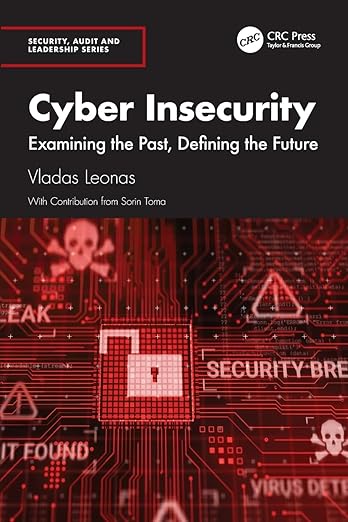
Cyber Insecurity: Examining the Past, Defining the Future.
A comprehensive exploration of cybersecurity’s past, present challenges, and future possibilities.
Cyber Insecurity: Examining the Past, Defining the Future provides a thoughtful examination of the constantly evolving cybersecurity landscape, exploring how lessons from history, technological innovation, and practical strategies can help build stronger digital defenses. The book begins with the understanding that perfect cybersecurity may be impossible, but meaningful progress can be achieved through knowledge, simplicity, and continuous improvement.
Author Vladas Leonas shares his personal journey from Moscow to Australia, highlighting the experiences, academic achievements, and professional milestones that shaped his understanding of technology and cybersecurity. Through this perspective, the book connects personal insights with broader developments in the digital world.
Readers will explore the evolution of cybersecurity from the late 1960s to today, including major technological breakthroughs, significant security events, and the growing complexity of modern systems. The author emphasizes that unnecessary complexity often creates security weaknesses and argues that simpler, well-designed solutions are essential for successful technology projects.
The book examines the impact of the digital revolution, including real-world examples such as widespread IT disruptions caused by software failures. It also explores the history and evolution of project management approaches, from ancient engineering practices to modern methodologies such as Critical Path Method (CPM) and Program Evaluation and Review Technique (PERT).
Key topics include:
- The growth of cloud computing, its advantages, and the security challenges it introduces.
- The rise of Software as a Service (SaaS) and its accelerated adoption during the COVID-19 pandemic.
- Supply chain vulnerabilities and the importance of securing interconnected systems.
- The development of global communication technologies, including TCP/IP and DNS.
- The difference between cybersecurity compliance and true security, highlighting why meeting regulations alone is not enough.
- Major cybersecurity frameworks and standards, including the NIST Cybersecurity Framework and ISO/IEC 27000 series.
- Australia’s Essential Eight cybersecurity controls and their role in reducing risks.
- The convergence of Operational Technology (OT) and Internet of Things (IoT) environments.
- The opportunities and threats created by artificial intelligence and quantum computing.
- The changing legal challenges surrounding cybersecurity and the need for international cooperation.
Throughout the book, Leonas highlights the importance of critical thinking, strong foundations, and practical security principles. Rather than relying solely on advanced tools and complex solutions, organizations can improve cybersecurity by focusing on simplicity, resilience, and effective risk management.
Cyber Insecurity offers valuable insights for cybersecurity professionals, technology leaders, policymakers, and anyone interested in understanding how digital security has evolved—and how we can prepare for the challenges ahead.


Reviews
There are no reviews yet.