


Description
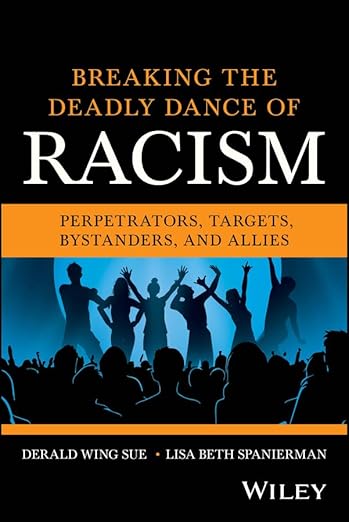
Breaking the Deadly Dance of Racism: Perpetrators, Targets, Bystanders, and Allies
Racism is often sustained not only through overt acts of prejudice but also through silence, hesitation, and inaction. When discriminatory incidents occur, those responsible may never recognize the harm they have caused, those targeted may feel isolated or powerless, bystanders may remain frozen by uncertainty, and well-intentioned allies may struggle to respond effectively. Breaking the Deadly Dance of Racism examines these complex dynamics and provides a practical roadmap for disrupting the patterns that allow racism to persist in everyday life.
Drawing on decades of psychological research, clinical experience, and scholarship, psychologists Derald W. Sue and Lisa B. Spanierman present a comprehensive framework for understanding how racism is maintained through the interconnected roles of perpetrators, targets, bystanders, and allies. Rather than focusing solely on individual acts of bias, the book explores the social, cultural, and institutional forces that reinforce discriminatory behaviors and make meaningful intervention so difficult.
The authors examine the unique challenges experienced by each group. They explore why perpetrators often become defensive or deny responsibility when confronted about biased behavior, how racial trauma and repeated exposure to discrimination affect the emotional well-being of those targeted, why bystanders frequently remain passive despite recognizing injustice, and how allies can move beyond symbolic gestures toward genuine, sustained action. By understanding the psychological barriers associated with each role, readers gain a clearer picture of how racism continues to operate across personal interactions, workplaces, schools, and communities.
A central theme of the book is the influence of cultural narratives and societal beliefs that allow racism to remain hidden or unchallenged. The authors analyze concepts such as color-blind ideology, implicit bias, social conditioning, and institutional practices that can unintentionally reinforce inequality. They demonstrate how these deeply embedded patterns shape everyday interactions and explain why addressing racism requires more than good intentions—it requires awareness, courage, and deliberate action.
Moving beyond theory, the book offers a wide range of evidence-based strategies designed to help individuals respond effectively when racism occurs. Readers learn practical microintervention techniques that make discriminatory behavior visible, interrupt harmful interactions, educate offenders respectfully, support those who have been harmed, and encourage constructive dialogue. These tools are designed to empower people to act with confidence while reducing the fear, uncertainty, and social pressure that often prevent intervention.
Throughout the book, readers will discover how to:
- Develop a deeper understanding of how racism operates at individual, interpersonal, institutional, and cultural levels.
- Recognize the psychological and social barriers that prevent meaningful anti-racist action.
- Respond constructively to racist incidents using practical, evidence-based intervention strategies.
- Support individuals who experience racism while promoting accountability and learning for those responsible.
- Address both subtle everyday microaggressions and broader systemic forms of discrimination.
- Foster environments that encourage inclusion, equity, and open dialogue in schools, workplaces, healthcare settings, and communities.
- Promote healthy racial socialization by equipping parents, caregivers, and educators with tools to help children develop empathy, cultural awareness, and anti-racist values from an early age.
The book also emphasizes that lasting change requires ongoing commitment rather than isolated acts of advocacy. It encourages readers to cultivate critical consciousness, challenge harmful assumptions, and actively participate in creating environments where fairness, dignity, and respect are protected for everyone.
Accessible, research-informed, and highly practical, Breaking the Deadly Dance of Racism serves as an invaluable resource for educators, mental health professionals, counselors, diversity and inclusion practitioners, organizational leaders, policymakers, students, and community advocates. By transforming complex psychological concepts into actionable guidance, it empowers readers to move beyond silence and hesitation toward thoughtful, informed, and meaningful action.
Ultimately, this book demonstrates that confronting racism is a shared responsibility. Through greater awareness, compassionate dialogue, and intentional intervention, individuals and communities can help break the cycles of silence that allow discrimination to endure and contribute to building a more just, inclusive, and equitable society.



Reviews
There are no reviews yet.