


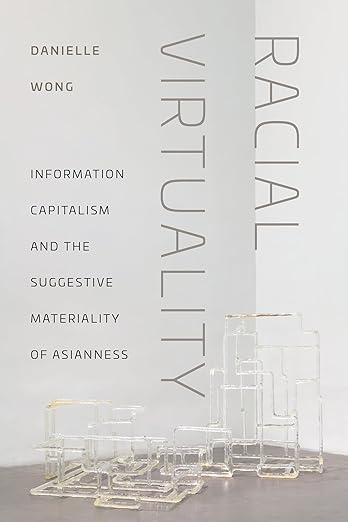
Description
Racial Virtuality: Information Capitalism and the Suggestive Materiality of Asianness
A groundbreaking study of how digital media technologies shape contemporary understandings of race, revealing how Asianness is produced through algorithms, platforms, and everyday online interactions rather than representation alone.
Racial Virtuality argues that race is not formed solely through images, stories, or media portrayals. Instead, it emerges through the hidden processes of digital technologies—the algorithms, interfaces, data flows, gestures, and emotional exchanges that structure everyday online life. In an era dominated by social media and information capitalism, the racialization of Asians increasingly takes place through these invisible systems rather than through conventional forms of representation.
Drawing on Asian American studies, media theory, and materialist critique, Danielle Wong introduces the concept of racial virtuality to explain how race is shaped by the often-unseen operations of digital platforms. She examines how non-representational elements—including visual textures, sound, movement, affect, and algorithmic interaction—contribute to the ongoing production and calibration of racial identity within networked environments.
Through analyses of digital culture ranging from Instagram beauty content and viral internet memes to TikTok choreography and platform algorithms, Wong explores how Asianness functions within the economies of labor, information, and capital. She argues that Asianness has become a distinct form of informational value, revealing how race intersects with contemporary systems of technological production, circulation, and economic exchange.
At the same time, the book highlights the possibilities for resistance embedded within digital life. Moving beyond questions of visibility and representation, it examines how forms of fugitivity, alternative knowledge, and collective disruption challenge the structures that govern labor, identity, and human value in the digital age.
Bringing social media, internet culture, and digital platforms into conversation with film, literature, and theater, Racial Virtuality offers a fresh perspective on race, technology, and cultural production. It presents a compelling framework for understanding how identity is continually shaped through the infrastructures of contemporary media and how digital environments redefine the relationship between race, labor, and information.


Reviews
There are no reviews yet.