
Description
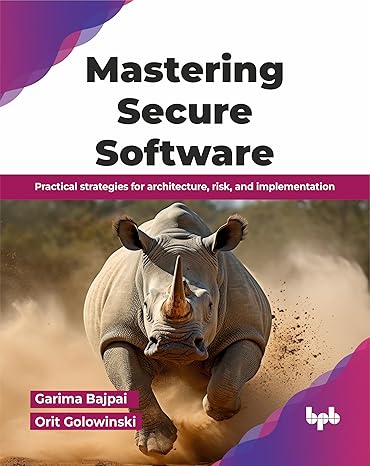
Mastering Secure Software: Practical strategies for architecture, risk, and implementation
Building Secure Software for the Modern Digital World
In today’s rapidly evolving technology environment, creating secure software is more important than ever. This comprehensive guide provides a practical roadmap for embedding security throughout the entire software development lifecycle, helping teams design, build, and maintain applications that meet modern security expectations.
Book Overview
This book begins by examining the current challenges of secure software development and establishing the principles needed to create a strong security foundation. You’ll learn how to develop effective security strategies, adopt Zero Trust approaches, and integrate security practices into every stage of development.
Through practical guidance, you’ll explore DevSecOps methodologies, continuous security integration, secure architecture design, and risk-based testing approaches that help organizations identify and address vulnerabilities early. The book also covers the role of emerging technologies such as artificial intelligence, machine learning, quantum computing, and open-source collaboration in shaping the future of secure software.
Each chapter provides actionable insights, key lessons, and practical exercises designed to help you apply security concepts in real-world environments. You’ll learn how to balance innovation, compliance, performance, and sustainability while creating software systems capable of protecting sensitive information and supporting business goals.
By the end of this guide, you’ll have the knowledge and practical skills required to develop, manage, and improve secure software solutions that align with industry standards and professional security practices.
What You’ll Learn
- Apply security frameworks such as NIST and OWASP throughout the development process
- Design secure software architectures and effective incident response strategies
- Implement Zero Trust principles and modern security practices
- Use DevSecOps methods to integrate security into continuous development workflows
- Address emerging cybersecurity threats, including risks associated with quantum technologies
- Solve security challenges through practical real-world scenarios
- Apply compliance requirements including ISO standards, GDPR, and HIPAA
- Improve software security through risk-based testing and continuous evaluation
- Incorporate sustainable and responsible software development practices
Who This Book Is For
This book is designed for engineering managers, software architects, technical leaders, project managers, security professionals, and technology executives responsible for delivering secure software systems.
Readers should have a basic understanding of software development concepts. The book provides strategic frameworks and practical techniques to help professionals build secure, scalable, and compliant applications in modern enterprise environments.
Table of Contents
Introduction
- Understanding Secure Software
- Planning Secure Software Development
- Preparing Secure Software for Growth
- Scaling Secure Software Systems
- Technology Strategy for Secure Software
- Implementing Secure Software Practices
- Risk-Based Testing and Security Considerations
- Best Practices for Secure Software Development
- Emerging Technologies and Secure Software Integration
- Open-Source Software and Collaborative Development
- Sustainable Secure Software Practices
- Industry Standards, Regulations, and Compliance
- Practical Assignments


Reviews
There are no reviews yet.