
Description
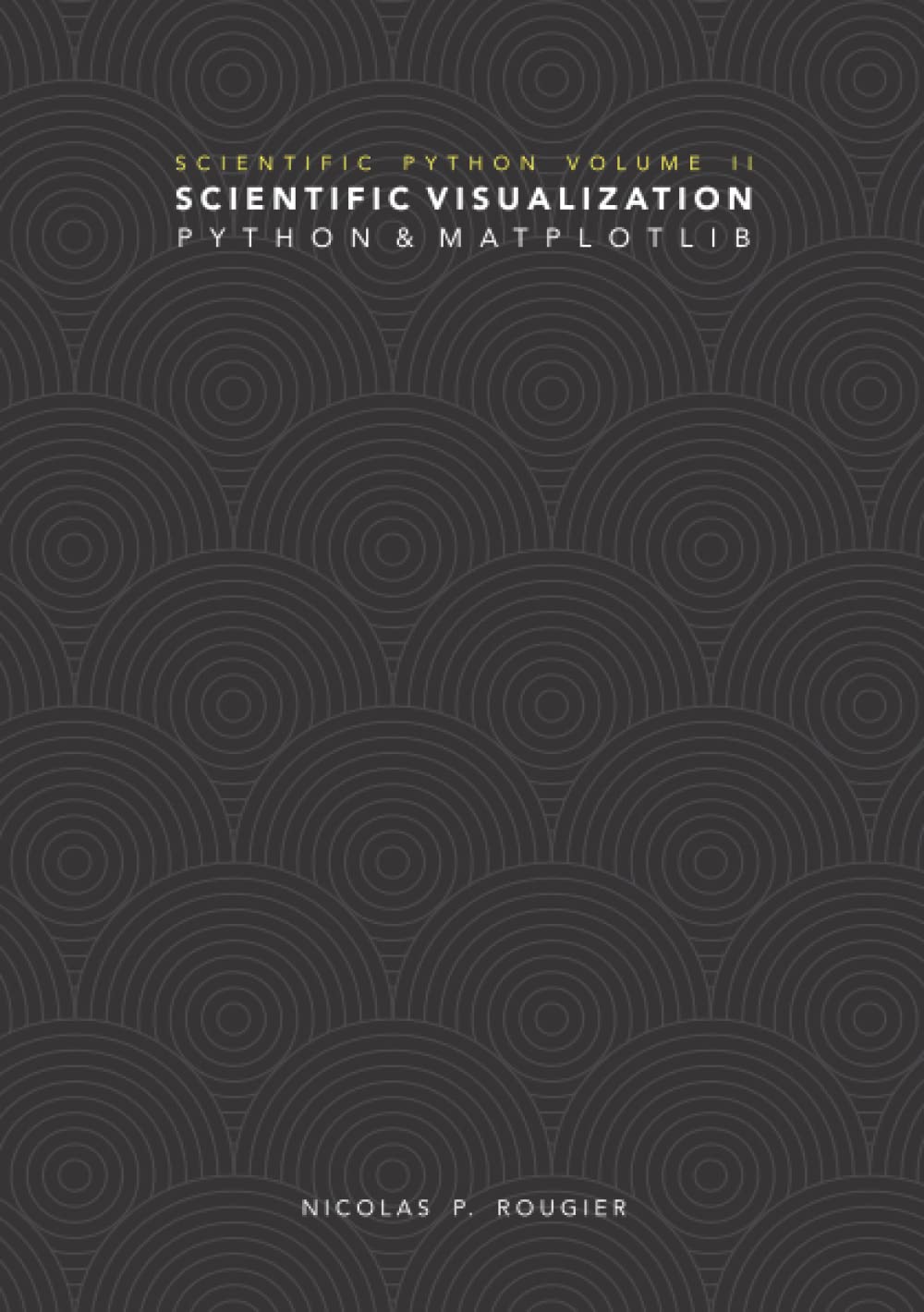
Scientific Visualization: Python + Matplotlib.
Master scientific visualization with Python using the powerful capabilities of Matplotlib.
Python offers a rich ecosystem of visualization libraries, each designed for different purposes—from interactive web graphics and large-scale data visualization to desktop applications and high-performance 3D rendering. Among these tools, Matplotlib remains one of the most trusted and versatile libraries for creating professional-quality charts, graphs, and scientific figures.
Renowned for its flexibility, intuitive interface, and object-oriented design, Matplotlib enables users to produce publication-ready visualizations while offering precise control over every element of a figure. Beyond scientific applications, it also serves as a powerful graphics library for creating a wide variety of custom visualizations.
This book provides a structured, hands-on guide to mastering Matplotlib, beginning with the library’s core concepts before progressing to advanced visualization techniques and real-world examples.
Throughout the book, you’ll learn how to:
- Understand the architecture and core components of Matplotlib figures.
- Work with coordinate systems, axes, scales, and projections.
- Apply typography, color theory, and styling techniques to create visually effective graphics.
- Design clear, attractive, and publication-quality scientific figures.
- Customize layouts and organize complex multi-panel visualizations.
- Create a wide range of plots, charts, and graphical representations.
- Enhance visualizations with annotations, labels, legends, and other decorative elements.
- Build interactive 3D graphics, optimize rendering performance, and develop animated visualizations.
- Explore practical examples and showcase projects demonstrating Matplotlib’s full capabilities.
The book is organized into four comprehensive sections. The first introduces the essential principles and building blocks of Matplotlib. The second focuses on designing polished and effective figures through layout management, styling, and visualization techniques. The third explores advanced topics such as three-dimensional graphics, performance optimization, and animation. The final section presents a collection of inspiring examples that demonstrate how Matplotlib can be applied to solve real-world visualization challenges.
Ideal for scientists, researchers, engineers, data analysts, and Python developers, this guide provides the knowledge and practical skills needed to create clear, informative, and visually compelling graphics for research, presentations, reports, and data-driven applications.
Book is open access at https://www.labri.fr/perso/nrougier/scientific-visualization.html
Sources are available at https://github.com/rougier/scientific-visualization-book



Reviews
There are no reviews yet.