


Description
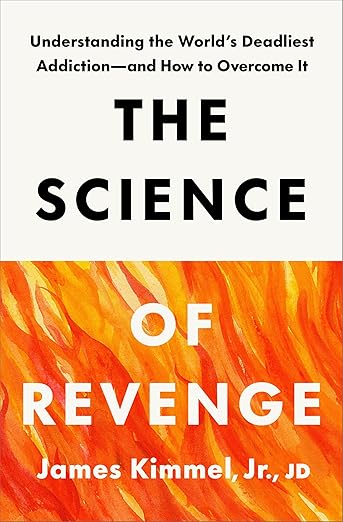
The Science of Revenge: Understanding the World’s Deadliest Addiction–and How to Overcome It
Revenge is often viewed as a natural human response to pain, betrayal, or injustice—but what if it is something far more powerful and dangerous? In this groundbreaking exploration, psychiatry researcher James Kimmel Jr. examines revenge through the lens of neuroscience, psychology, law, and human behavior, revealing it as a deeply rooted biological drive that can become as compulsive as an addiction. Rather than treating violence as random or inevitable, he argues that the desire for retaliation lies at the heart of many of humanity’s most destructive actions.
Drawing on years of scientific research and compelling real-world examples, the book uncovers how both real and perceived grievances can activate the brain’s reward system, creating a cycle in which thoughts of revenge produce feelings of satisfaction similar to those associated with addictive substances. From everyday conflicts, online hostility, and road rage to domestic violence, political extremism, and mass acts of aggression, the same psychological mechanisms often influence human behavior. Individuals who seek revenge frequently see themselves not as aggressors, but as victims pursuing justice, making this cycle especially difficult to recognize and break.
Blending cutting-edge neuroscience with psychology, sociology, history, and criminal justice, Kimmel explores why revenge has shaped societies for centuries and why it continues to fuel conflict in the modern world. He examines the motivations behind bullying, abusive relationships, workplace disputes, gang violence, political polarization, terrorism, and other forms of aggression, revealing the common emotional patterns that connect them. Along the way, he also shares his own deeply personal experience with revenge, offering an honest account of how destructive these impulses can become when left unchecked.
Beyond explaining the science, the book provides a hopeful and practical framework for change. It highlights the remarkable effects that forgiveness, empathy, and emotional healing can have on both the brain and overall well-being, demonstrating that breaking the cycle of retaliation is not only possible but essential for healthier individuals and safer communities. Readers will gain valuable insights into how revenge develops, why it feels so compelling, and what can be done to prevent it from escalating into violence.
Thought-provoking, evidence-based, and deeply relevant to today’s increasingly divided world, The Science of Revenge challenges conventional ideas about justice, anger, and human nature. It offers a fresh perspective on one of humanity’s oldest instincts while presenting practical strategies for reducing conflict, promoting healing, and creating a more compassionate future.


Reviews
There are no reviews yet.